
Human Voiceover vs AI: Why the Human Touch Still Reigns Supreme

The Art of Authenticity: Human Voiceovers in Media Production

In an era where technology continues to advance at an unprecedented pace, media production has benefited greatly from the advent of AI voiceovers. These innovative tools have revolutionized the way content is created and delivered, providing a quick and cost-effective solution for adding voice to videos, podcasts, and advertisements. However, while AI voiceovers offer convenience and efficiency, they do come with their limitations.

One of the major drawbacks of AI voiceovers is the linguistic limitation they present. AI may struggle with certain accents, dialects, or regional nuances. In an increasingly globalized world, it is important to ensure that media production accurately represents diverse cultures and languages. Authenticity is key, especially in an African context where there is rich cultural and linguistic diversity. By relying solely on AI voiceovers, we risk losing the unique nuances and authenticity that human voice actors bring to the table.

Dubbing, on the other hand, can be a solution to the linguistic limitation of AI voiceovers. Dubbing involves replacing the original language of a production with a translated version spoken by voice actors. In addition to capturing the linguistic nuances of a particular language, dubbing also allows for the portrayal of cultural context and emotions in a way that AI may struggle to replicate. Moreover, by involving local human voice actors, media production can ensure representation and inclusivity, catering to the specific needs and preferences of different cultures within an African context.

While AI voiceovers certainly have their place in media production, the art of authenticity is best achieved through the use of human voice actors. Their ability to deliver lines with emotional depth, infuse local flavors, and adapt to the subtleties of different languages and cultures is unmatched. As technology continues to evolve, striking a balance between the convenience of AI and the authenticity of human voiceovers will be crucial to create meaningful and engaging content that resonates with audiences around the world.
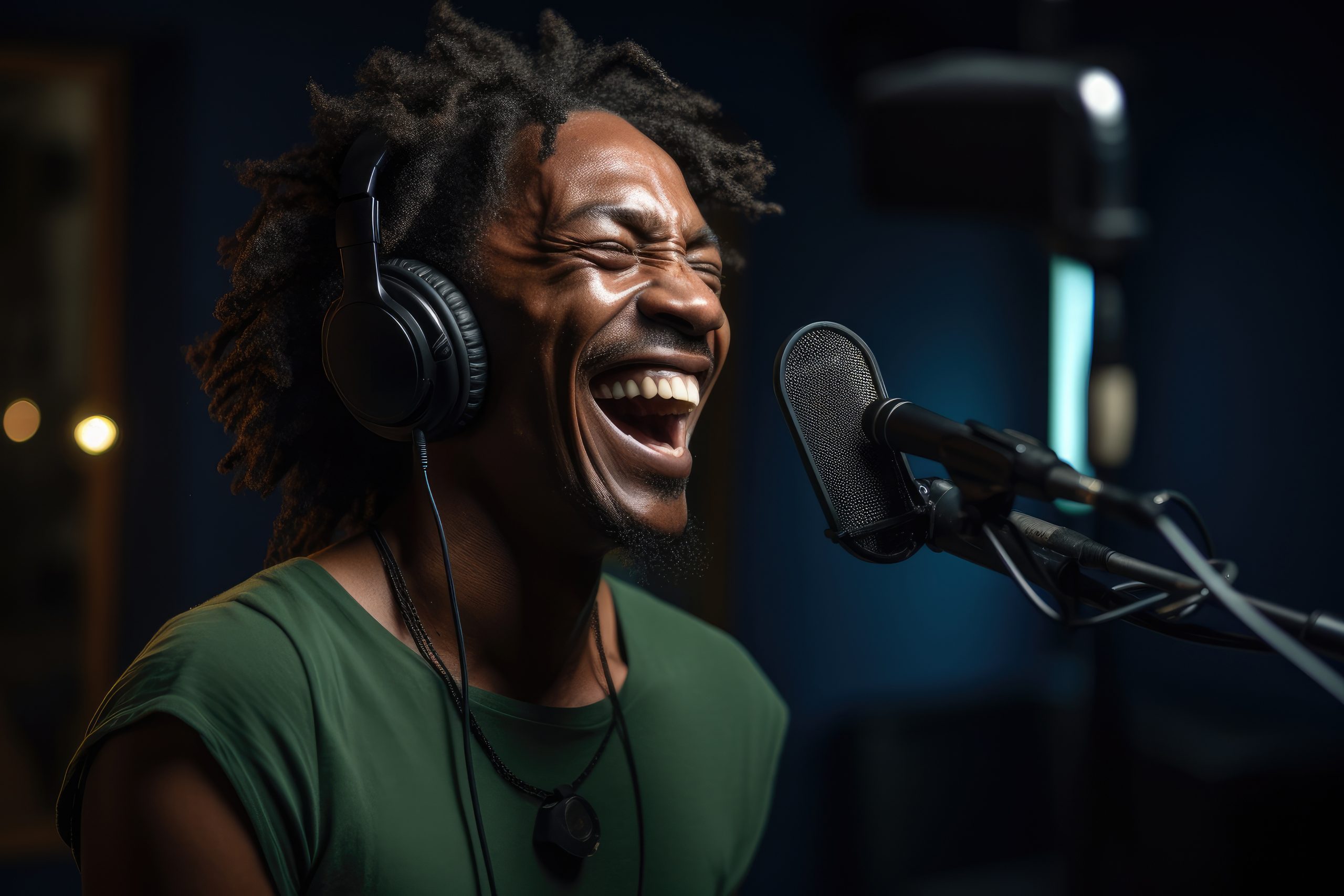
The Art of Interpretation: Why Human Voiceovers Stand Out

In today’s digital era, voiceovers have become an essential element in various forms of media, from commercials to audiobooks and video games. While advancements in technology have brought us artificial intelligence (AI) voiceovers, there is still something undeniably captivating about human voice talent. This article explores the art of interpretation and why human voiceovers continue to stand out in a sea of digitized alternatives.

One of the primary reasons why human voiceovers hold such appeal is their ability to convey emotion and depth. AI voiceovers, while steadily improving, still lack the nuanced expressions and subtle variations that humans naturally possess. A wide range of emotions can be effortlessly conveyed through speech, allowing human voice talent to tap into the intricacies and complexities of a script, further enhancing the listener’s engagement and connection.

In today’s digital era, voiceovers have become an essential element in various forms of media, from commercials to audiobooks and video games. While advancements in technology have brought us artificial intelligence (AI) voiceovers, there is still something undeniably captivating about human voice talent. This article explores the art of interpretation and why human voiceovers continue to stand out in a sea of digitized alternatives.

One of the primary reasons why human voiceovers hold such appeal is their ability to convey emotion and depth. AI voiceovers, while steadily improving, still lack the nuanced expressions and subtle variations that humans naturally possess. A wide range of emotions can be effortlessly conveyed through speech, allowing human voice talent to tap into the intricacies and complexities of a script, further enhancing the listener’s engagement and connection.

Moreover, the linguistic limitations of AI voiceovers also play a significant role in the preference for human talent, especially in a European context. Localization, the process of adapting media content to suit specific cultural and linguistic parameters, can be a challenging task for AI systems. Cultural references, idiomatic expressions, and dialects are delicate elements that require a native speaker’s understanding to be effectively conveyed. Human voiceovers not only navigate these linguistic intricacies but also bring a touch of authenticity that connects with the target audience on a personal level.

Overall, the art of interpretation lies at the heart of why human voiceovers shine. The ability to understand and embody the intentions and emotions behind a script is a skill that takes time and practice to master. Human voice talent brings individuality, creativity, and an innate ability to breathe life into words, creating a connection that is often lost in AI-generated alternatives. As technology continues to evolve, it is reassuring to know that the artistry and authenticity of human voiceovers remain irreplaceable.

In an age where technology continues to blur the line between the human and the artificial, the world of voiceovers is no exception. With the advent of AI voice technology, the debate between human voiceover artists and synthetic counterparts has gained traction. While AI voiceovers offer convenience and efficiency, there are key differences that make the human voiceover irreplaceable in certain scenarios.

One of the most significant differences lies in the emotional depth and nuance that a human voice brings to a project. Whether it’s a heartfelt narration or a captivating dialogue, the ability to convey genuine emotion is a skill honed by experienced voiceover artists. Human voiceovers have the capacity to inject personality, authenticity, and a level of connection that AI voices often struggle to reproduce convincingly.

Nevertheless, AI voice technology does have its suitable use cases. In industries where precision and efficiency are paramount, such as customer service or e-learning, AI voiceovers can offer cost-effective solutions with quick turnaround times. AI voices can be programmed with specific tones, cadences, and accents to suit various contexts and can be a practical option for tasks that require a high volume of straightforward recordings.

However, when it comes to artistic endeavors, such as film or advertising, human voiceovers remain unmatched in their ability to elicit emotion and create a deeply immersive experience. The subtle inflections, timely pauses, and authentic expressions that a human voice artist infuses into their work bring a level of creativity and versatility that AI voices simply cannot replicate. The magic lies in the imperfections and unique intonations that make a human voiceover memorable and impactful.

In the end, the debate between AI voiceovers and human voiceovers is not about superiority but rather about understanding the strengths and limitations of each. AI voiceovers may be suitable for certain practical applications, but when it comes to truly captivating an audience and bringing a story to life, nothing quite matches the power of the human voiceover. So, while technology continues to evolve and push boundaries, the human touch and artistry of a voiceover artist will always hold a special place in the world of audio narration.


Pro Tips for Maintaining Vocal Health: Voiceovers and Singers

Pro Tips for Maintaining Vocal Health: Voiceovers and Singers

Understanding the Importance of Vocal Health

Maintaining vocal health is paramount for voiceover artists and singers. Your voice is not just a tool; it is your livelihood, your instrument, and your art form. When properly cared for, your voice can convey a range of emotions and characters, creating memorable performances. Neglecting vocal health can lead to fatigue, injury, and long-term damage, hindering your ability to work and perform.

Why Voiceovers and Singers Need to Prioritize Their Voices

Voiceovers and singers rely heavily on their vocal cords to deliver their craft. The demands of the industry require long hours of speaking or singing, often in varied and challenging environments. By prioritizing vocal health, you ensure that your voice remains strong, flexible, and capable of meeting these demands. Additionally, a healthy voice translates to better performances, increased stamina, and a longer career.

Daily Vocal Care Routine

Hydration: The Key to a Healthy Voice

Hydration is essential for maintaining vocal health. Drinking plenty of water keeps your vocal cords lubricated, allowing them to vibrate freely and produce sound without strain. Aim to drink at least 8 glasses of water daily. Herbal teas and warm water with honey can also soothe and hydrate your throat. Avoid caffeinated and alcoholic beverages, as they can dehydrate you and dry out your vocal cords.

Warm-Up Exercises for Optimal Performance

Just like athletes, vocalists need to warm up their muscles before performing. Warm-up exercises help increase blood flow to the vocal cords, making them more flexible and less prone to injury. Simple exercises like humming, lip trills, and gentle scales can prepare your voice for the rigors of performance. Spend at least 10-15 minutes warming up before any vocal activity.

Voice over africa post image

Nutrition for Vocal Health

Foods that Boost Vocal Strength

Nutrition plays a crucial role in vocal health. Foods rich in vitamins A, C, and E, such as leafy greens, citrus fruits, and nuts, support healthy vocal cords. Incorporate antioxidant-rich foods like berries and vegetables to protect your voice from inflammation and damage. Protein sources like chicken, fish, and legumes help maintain muscle strength, including the muscles involved in vocal production.

What to Avoid: Harmful Foods and Drinks for Your Voice

Certain foods and drinks can negatively impact your voice. Avoid dairy products before performing, as they can create excess mucus and phlegm. Spicy foods may cause irritation and acid reflux, which can harm your vocal cords. Caffeine and alcohol should be consumed in moderation, as they can dehydrate you and lead to vocal dryness.

Voice over africa post image

Vocal Techniques

Proper Breathing Techniques for Vocal Longevity

Proper breathing techniques are essential for sustaining vocal health. Diaphragmatic breathing, which involves breathing deeply into your abdomen rather than your chest, provides better support for your voice. This technique reduces tension in your throat and vocal cords, allowing for more controlled and powerful vocal production. Practice deep breathing exercises regularly to strengthen your diaphragm and improve your breath control.

The Power of Posture: How It Affects Your Voice

Good posture is fundamental to effective vocal performance. Standing or sitting with a straight spine and relaxed shoulders ensures that your breath flows freely and your vocal cords can function without unnecessary strain. Poor posture can lead to tension in your neck and throat, limiting your vocal range and power. Be mindful of your posture during practice and performance to optimize your vocal health.

Preventing Vocal Strain

Recognizing the Signs of Vocal Fatigue

Vocal fatigue is a common issue for voiceovers and singers, often caused by overuse or improper technique. Signs of vocal fatigue include hoarseness, a scratchy throat, difficulty hitting high notes, and a decrease in vocal range. Pay attention to these symptoms and take breaks when needed to prevent further strain and damage.

Effective Rest Strategies for Vocal Recovery

Rest is crucial for vocal recovery and maintaining long-term health. Incorporate vocal rest days into your schedule, where you minimize speaking and singing to allow your vocal cords to recover. After intense vocal sessions, practice silent rest or gentle humming to soothe your voice. Adequate sleep is also essential, as it allows your body to repair and rejuvenate, including your vocal apparatus.

Voice over africa post image

Environment and Lifestyle

Creating a Voice-Friendly Environment

Your environment can significantly impact your vocal health. Ensure that your recording or practice space is free from dust, pollutants, and allergens that can irritate your vocal cords. Use a humidifier to maintain optimal moisture levels in the air, especially in dry climates or during winter months. Avoid smoking or exposure to secondhand smoke, as it can cause severe damage to your vocal cords.

Lifestyle Changes to Enhance Vocal Health

Certain lifestyle changes can enhance your vocal health. Incorporate regular exercise into your routine to improve your overall physical health and stamina. Practice stress-relief techniques such as yoga, meditation, or deep breathing exercises to reduce tension that can negatively impact your voice. Avoid shouting or talking loudly for extended periods, as this can strain your vocal cords.

Professional Help

When to Consult a Voice Coach

A voice coach can provide invaluable guidance and training to improve your vocal technique and health. If you experience persistent vocal issues or want to enhance your skills, consider consulting a professional. A voice coach can help you develop personalized exercises, correct bad habits, and expand your vocal range and endurance.

Finding the Right Vocal Therapist

If you suffer from vocal health problems, such as nodules, polyps, or chronic hoarseness, seeking help from a vocal therapist is essential. Vocal therapists are specialized in diagnosing and treating voice disorders. They can provide targeted therapy and rehabilitation exercises to restore your vocal health. Look for a licensed and experienced therapist who understands the specific needs of voiceover artists and singers.

Voice over africa post image

Professional Help

When to Consult a Voice Coach

A voice coach can provide invaluable guidance and training to improve your vocal technique and health. If you experience persistent vocal issues or want to enhance your skills, consider consulting a professional. A voice coach can help you develop personalized exercises, correct bad habits, and expand your vocal range and endurance.

Finding the Right Vocal Therapist

If you suffer from vocal health problems, such as nodules, polyps, or chronic hoarseness, seeking help from a vocal therapist is essential. Vocal therapists are specialized in diagnosing and treating voice disorders. They can provide targeted therapy and rehabilitation exercises to restore your vocal health. Look for a licensed and experienced therapist who understands the specific needs of voiceover artists and singers.

Specialized Tips for Voiceovers

Microphone Techniques to Protect Your Voice

Proper microphone techniques are vital for voiceover artists to protect their voice and ensure high-quality recordings. Maintain a consistent distance from the microphone to avoid strain and distortion. Use a pop filter to reduce plosive sounds and protect your vocal cords from unnecessary stress. Experiment with different microphone angles and positions to find what works best for your voice.

Adapting Your Voice for Different Projects

Voiceover work often requires versatility and the ability to adapt your voice for different projects. Practice various vocal styles, such as character voices, accents, and tones, to expand your repertoire. This versatility not only makes you more marketable but also helps prevent vocal fatigue by using different parts of your vocal range and reducing repetitive strain.

Specialized Tips for Singers

Mastering Different Singing Techniques

Singers must master various singing techniques to maintain vocal health and deliver compelling performances. Techniques such as belting, falsetto, and vibrato require different levels of breath control and vocal placement. Work with a vocal coach to learn these techniques properly and avoid injuring your voice. Regular practice and refinement of these skills are essential for long-term vocal health.

Maintaining Vocal Health During Performances

Performing live can be taxing on your voice, so it’s crucial to take steps to maintain vocal health. Ensure you are well-hydrated before and during performances. Warm up thoroughly and cool down after your set to protect your vocal cords. Use in-ear monitors to hear yourself clearly and avoid over-singing or shouting to compete with stage noise.

Voice over africa post image